
Energy Transition: The Challenge of Our Century
Energy systems are shifting as industries work to reduce reliance on fossil fuels and adopt alternative sources. This course covers key technologies like solar, wind, nuclear, and hydropower, along with the economic and infrastructure challenges involved in making that transition.
What you will learn
-
Explore the need for renewable energy and the global impact of the energy transition.
-
Analyze the role of policy, economics, and global cooperation in driving the energy transition.
-
Understand renewable energy technologies and their integration into the energy grid.
Course content
Global Energy Dynamics
Explore the current energy mix, reliance on fossil fuels, and the environmental impact of existing energy systems. Understand the need for an energy transition and the technological and economic realities to achieve it.
Innovations in Renewable Energy
Dive deeper into the advancements in solar, wind and hydroelectric power. Discuss the practical and economic challenges of integrating renewable energy into the grid and innovations to overcome these challenges.
Policy and Economic Aspects
Examine the role of government policies, economic incentives and global cooperation in facilitating the energy transition. Analyze the economic impact, job creation and social aspects of a sustainable energy future.
Your Course Director
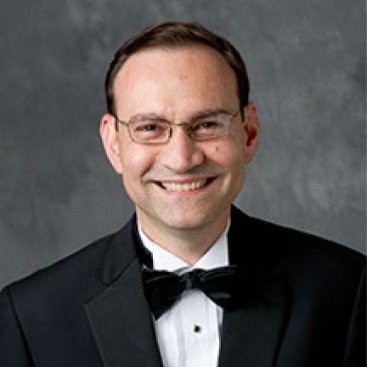
Fabio H. Ribeiro
Director of the National Science Foundation Engineering Research Center on the Innovative and Strategic Transformation of Alkane Resources
Fabio H. Ribeiro is the W. Nicholas and Elizabeth H. Delgass Distinguished Professor in Chemical Engineering and Director of the National Science Foundation Engineering Research Center on the Innovative and Strategic Transformation of Alkane Resources (CISTAR) at the Davidson School of Chemical Engineering, Purdue University. CISTAR is a successful five-university and 32 industry partner collaboration that allies with industry to develop technological innovations and build a diverse and innovative workforce to responsibly realize U.S. shale gas potential in reducing carbon footprints. He received his Ph.D. degree from Stanford University in 1989, worked for Catalytica, Inc. in Mountain View, California, held a post-doctoral fellowship at the University of California – Berkeley, and was on the Worcester Polytechnic Institute faculty before joining Purdue University in August 2003. His research interests center on the kinetics of heterogeneous catalytic reactions and on the energy transition.